Serve Teams Up with Wonder and Grubhub Amid a New Wave of Expansion
Serve Teams Up with Wonder and Grubhub Amid a New Wave of Expansion
Article
Not long ago, our robots were delivering dinner in a handful of neighborhoods. Today, they’re entering new markets from San Jose to the nation’s capital, joining more delivery platforms, and helping us build a broader physical AI platform that extends from sidewalks into hospitals.
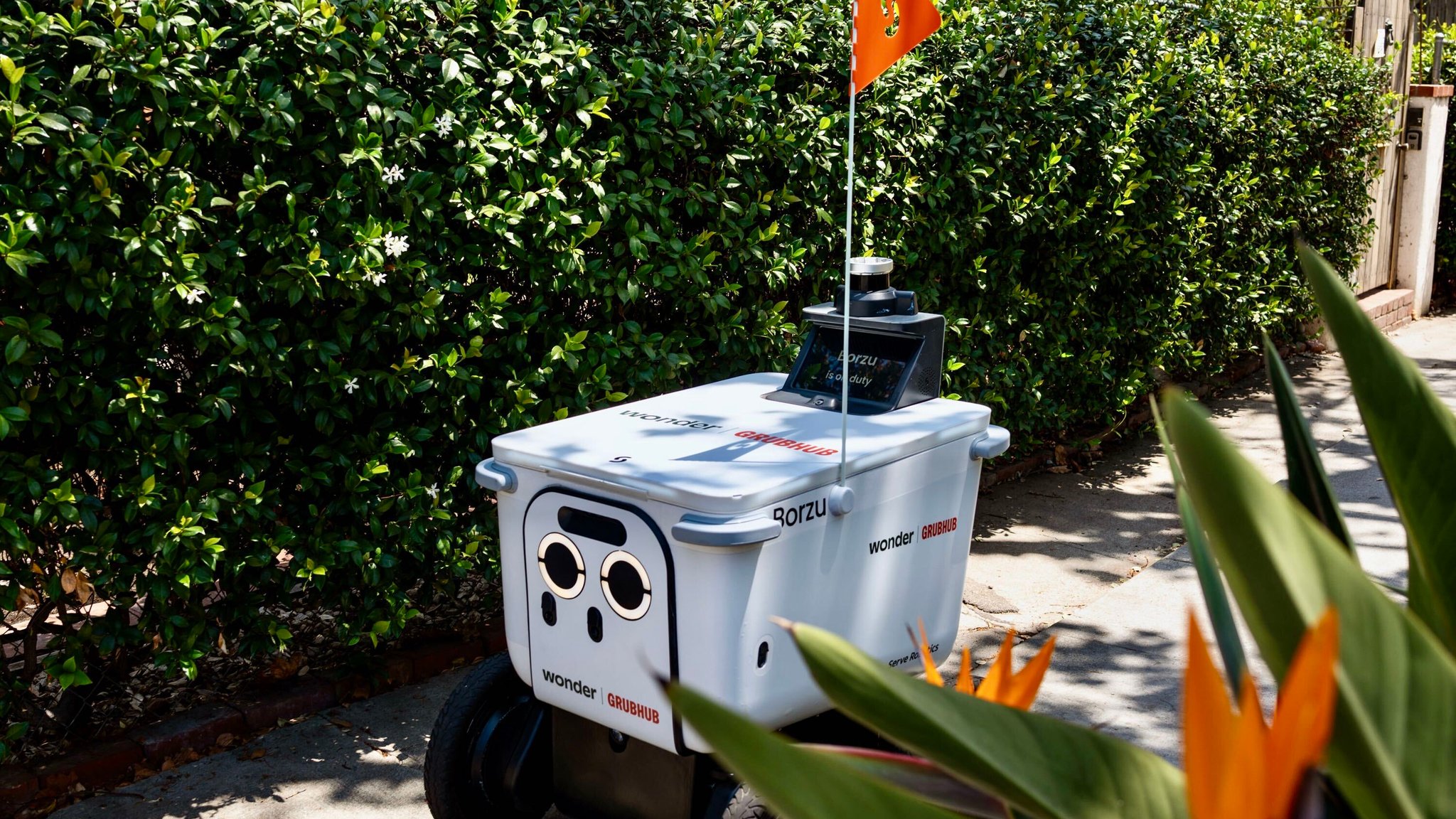
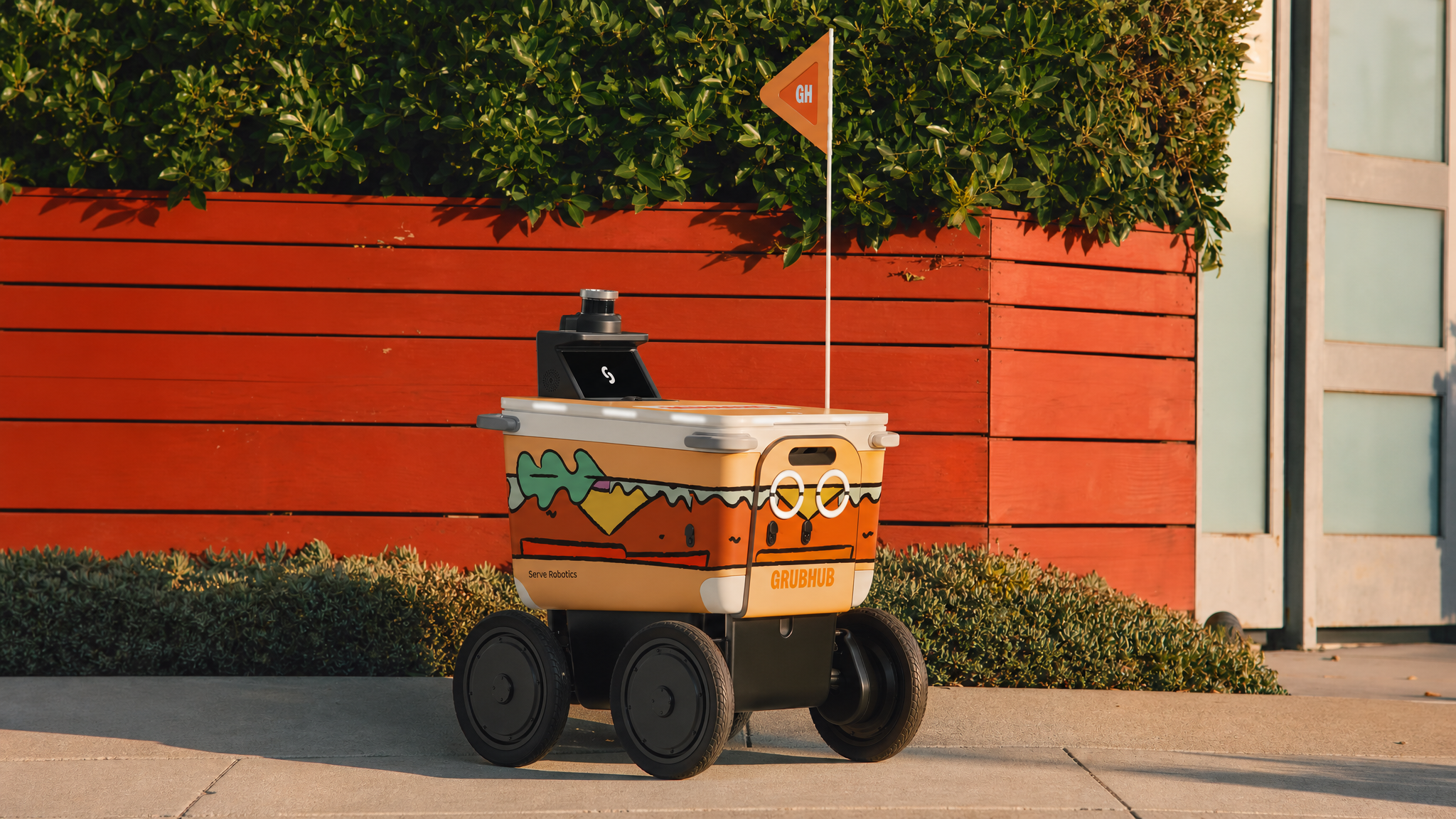
Today we announced a new partnership with Grubhub, a subsidiary of Wonder, bringing Serve robot delivery to the Grubhub marketplace beginning in Chicago, Los Angeles, and Alexandria. The launch marks our first collaboration with Wonder and Grubhub and makes Grubhub the latest major delivery platform on Serve’s network.
And that’s just one part of what we’re announcing.
We’ve also launched in Washington, DC and San Jose. We’re preparing to open our first micro depots in Miami. Diligent Robotics has begun rolling out the next generation of Moxi to hospitals. We’re previewing a new restaurant product called Beacon, and Serve Advertising is launching Characters, a new kind of interactive brand experience built on our robots.
Each announcement is different, but together they point in the same direction. We’re building more ways for robots to do useful work alongside humans in the real world.
Wonder and Grubhub Join Serve’s Delivery Network
Our new partnership brings Serve robot delivery to Grubhub customers in Chicago, Los Angeles, and Alexandria. At Wonder’s Alexandria location, customers ordering through Grubhub will also be able to receive eligible orders through Serve’s autonomous delivery network.
For Serve, adding another major delivery platform means more opportunities for our robots to make deliveries. More order volume can help put the fleet to work more often while giving restaurants another way to reach customers.
That is an important part of how we think about scale. Expanding autonomous delivery isn’t only about putting more robots on sidewalks. It’s also about making better use of the fleet and operations already in place.
Hello, San Jose and Washington, DC
We’re also welcoming two new major markets to Serve’s growing map.
Serve has launched in Washington, DC and San Jose, California, seventh and eighth major U.S. markets, both in partnership with DoorDash. Together, the two metros reach a population of 8 million and expand Serve’s geographic coverage as we continue growing delivery volume.
The launches join Los Angeles, Chicago, Atlanta, Dallas, and Miami on Serve’s growing map as we continue expanding our national delivery network.
Every city is different. New streets, neighborhoods, merchants, customers, weather, and pedestrian environments all create new operating experience for the fleet. That real-world experience is central to how we build robots that can work in human environments.
A Smaller Footprint for Entering New Neighborhoods
We’re also changing the infrastructure behind the fleet.
In Miami, we’re preparing to open Serve’s first micro depot, a new class of small-footprint operating site that handles robot staging, charging, dispatch, and maintenance without the build-out time of a full-scale facility.
Micro depots require minimal infrastructure and can be set up rapidly in high-demand neighborhoods, giving us a repeatable way to enter new neighborhoods and cities faster and at lower cost.
Moxi 2.0 Starts Rolling Into Hospitals
Our work is expanding indoors, too.
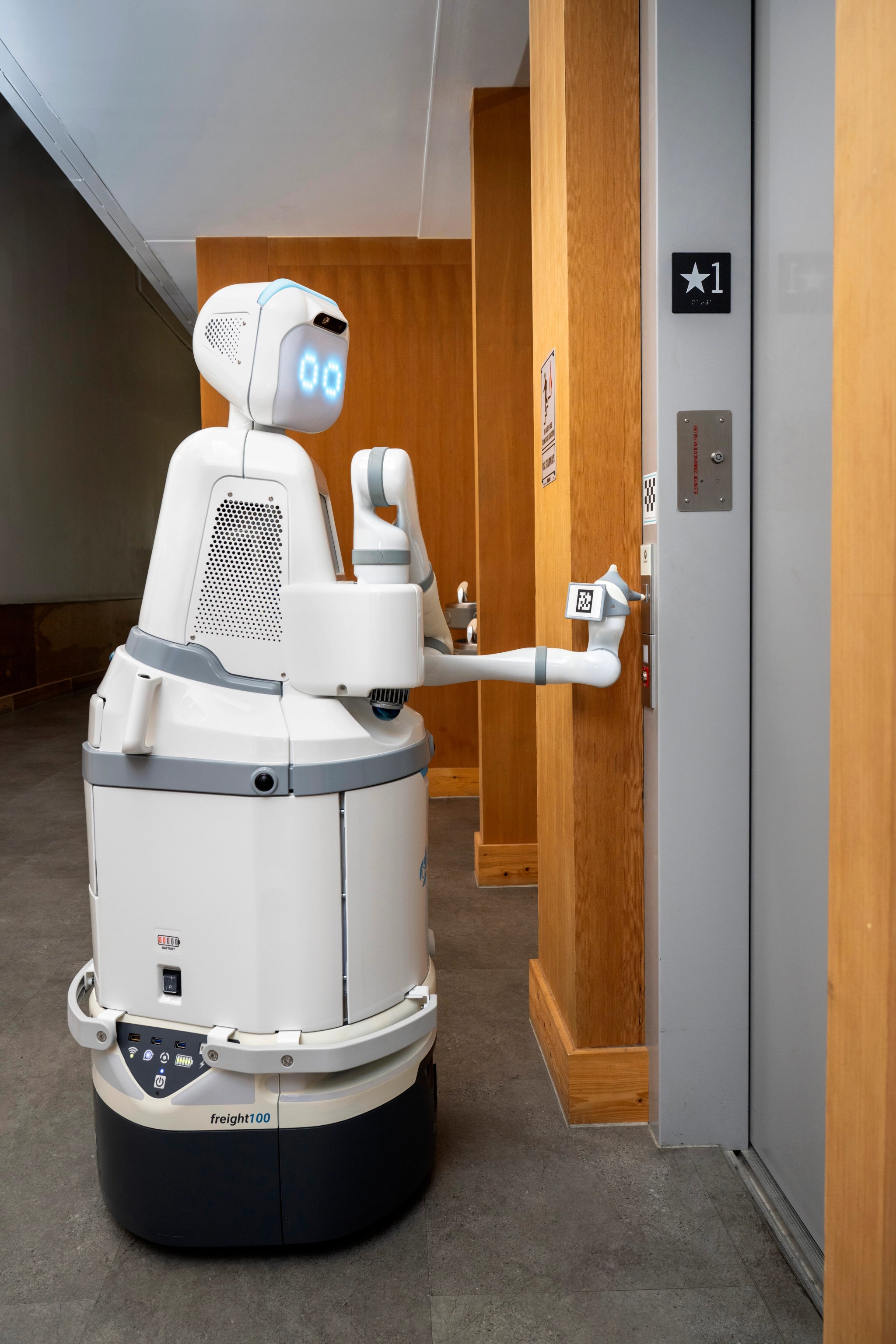
Diligent Robotics, a Serve Robotics company, has begun rolling out the next generation of Moxi to health systems including Endeavor Health Edward Hospital in the Chicago area, Providence Saint John’s Health Center in Los Angeles, and Children’s Hospital Los Angeles.
Moxi 2.0 can perceive and interpret its surroundings up to 15 times faster than before, has 10 times the onboard compute, and includes improved autonomy and decision making along with upgraded sensors and storage. It can also operate for up to 18 hours with 30% faster battery charging, all without requiring changes to existing hospital infrastructure.
Those upgrades help Moxi react more quickly to dynamic hospital environments, including crowded hallways, opening elevator doors, and shifting foot traffic.
Moxi 2.0 builds on deliveries completed across 25+ U.S. hospitals and introduces Diligent’s World Model, a learning system that improves every robot with the experience of the whole fleet.
Meet Beacon, a Simpler Connection Between Restaurants and Robots
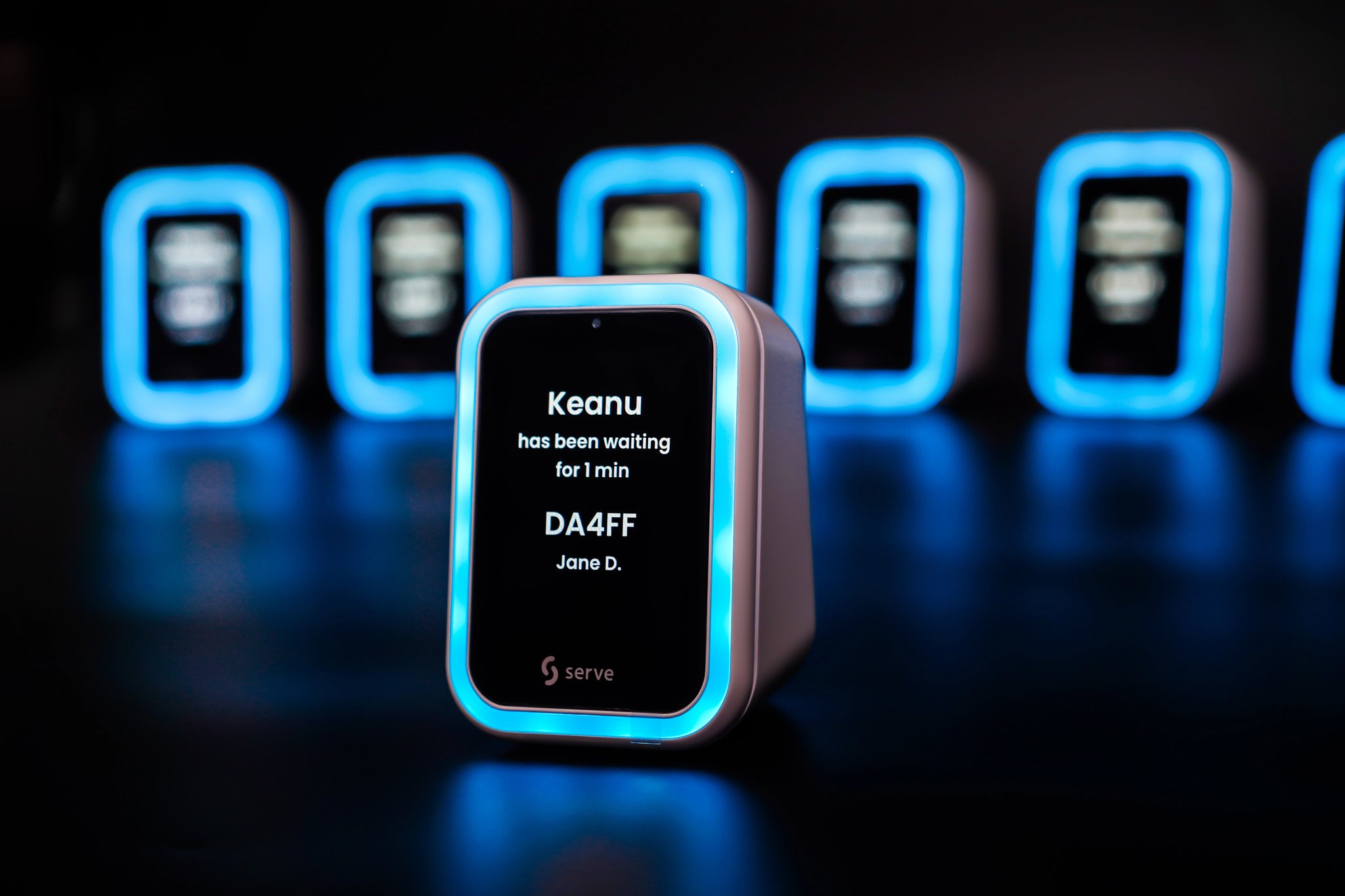
We’re also previewing Beacon, a standalone countertop product that will connect restaurants, customers, and Serve robots.
With built-in cellular connectivity, Beacon will alert restaurant staff the moment a robot arrives for pickup and will require nothing from a restaurant beyond power. There’s no tablet, no additional hardware, and no changes to existing systems.
Beacon is designed to speed up pickup for current restaurant partners while extending robot delivery to restaurants whose back-of-house setups previously could not support it.
Serve Advertising Launches Characters, With Chomp
Finally, our robots are getting a little more personality.
Serve Advertising is launching Characters, a new product that expands what brands can do with Serve’s robots. Advertisers have long been able to wrap Serve robots in custom designs. Characters adds a personality.
Brands can now create a character that customers can talk with in real time, powered by a curated conversational AI model and developed together by Serve and the advertiser.
The first Character is Chomp, co-created with Grubhub. He’s a talking, hamburger-wrapped robot who treats every delivery like a very important mission.
Chomp will appear across social media and select customer experiences featuring Grubhub gift cards and swag. Following the launch, other brands will have the opportunity to explore similar activations through Serve Advertising.
More Demand. More Places. More Robot Sidekicks.
Taken separately, today’s announcements span delivery platforms, cities, operations, hospitals, restaurant hardware, and advertising.
Together, they reflect the same approach we’ve had from the beginning. We build technology that can do useful work alongside people, then keep finding ways to make that technology more capable and more widely available.
We’re excited to welcome Wonder and Grubhub to the network, and even more excited about what we can build from here.